Guides
Exploring UPVC Pipes: Types and Advantages - Your Comprehensive Guide
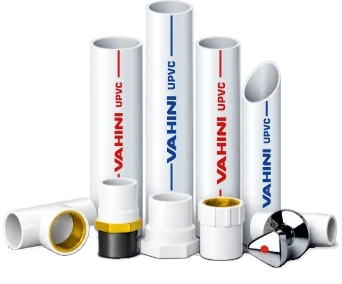
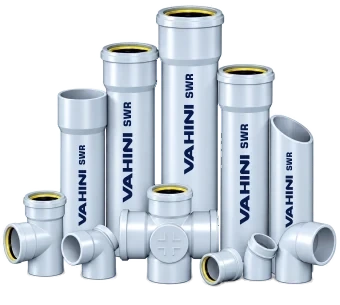
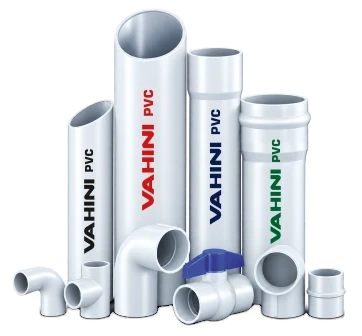
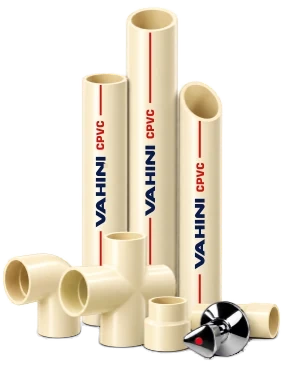
Understanding UPVC Pipes:
UPVC pipes are made from a rigid form of PVC that lacks plasticizers, making them more stable and durable. They are commonly used in a variety of applications, including plumbing, drainage, irrigation, and industrial processes. UPVC pipes come in various sizes and types to accommodate different requirements, making them a versatile choice for both residential and commercial projects.
Types of UPVC Pipes:
UPVC Pressure Pipes:
- Designed to handle high-pressure applications.
- Ideal for potable water supply, industrial processes, and irrigation systems.
- Resistant to corrosion, rust, and chemical degradation.
- Available in a range of sizes and pressure ratings.
UPVC Drainage Pipes:
- Engineered for efficient wastewater and stormwater drainage.
- Smooth interior surface minimizes clogs and promotes efficient flow.
- Resistant to abrasion and chemical exposure.
- Suitable for residential, commercial, and industrial drainage systems.
UPVC Electrical Conduit Pipes:
- Designed to protect electrical wiring from environmental elements.
- Non-conductive and corrosion-resistant for electrical safety.
- Lightweight and easy to install.
- Suitable for surface and concealed wiring applications.
Advantages of UPVC Pipes:
Durability: UPVC pipes are known for their long lifespan. They resist corrosion, rust, and chemical degradation, ensuring your plumbing and industrial systems remain reliable for years.
Cost-Effective: UPVC pipes are an affordable choice without compromising on quality. They reduce installation costs due to their lightweight nature and easy handling.
Low Maintenance: Once installed, UPVC pipes require minimal maintenance. They don't deteriorate over time, saving you money on repairs and upkeep.
Chemical Resistance: UPVC pipes can withstand exposure to various corrosive substances, making them suitable for a wide range of industrial applications.
Smooth Flow: The smooth interior surface of UPVC pipes minimizes friction, reducing energy consumption and maintaining consistent water pressure.
Environmentally Friendly: UPVC is a recyclable material, contributing to reduced environmental impact. Vahini Pipes is committed to sustainability, providing eco-friendly solutions.
Versatility: UPVC pipes come in various sizes and types, making them versatile for multiple applications, from water supply to drainage and more.
Products this guide covers

UPVC Plumbing Pipes & Fittings
Unplasticised PVC, with no plasticising agents added, made from NSF-tested raw material approved for drinking water.

SWR Pipes & Fittings
A complete range of soil, waste and rainwater products for drainage and sewerage inside buildings: pipes to IS 13592:2013 and fittings to IS 14735:1999.

UPVC Pipes & Fittings
Pressure pipes to IS 4985:2021 and fittings to IS 7834:1987, for potable water supply and, under the Agriflow name, agricultural water supply.
Specifying for a project?
Tell us what you are building and we will point you at the right system.
More guides
A Comprehensive Guide to Types of PVC Pipes and Their Features
PVC (Polyvinyl Chloride) pipes have gained immense popularity in the construction and plumbing industries.
Upgrading Your Home Plumbing System: When and Why to Replace Old Pipes
Your home's plumbing system plays a vital role in ensuring the comfort and functionality of your daily life.
CPVC Pipes by Vahini: Unveiling the Advantages and Applications
CPVC (Chlorinated Polyvinyl Chloride) pipes have transformed plumbing and industrial applications due to their outstanding properties.
Key Considerations When Selecting CPVC Pipes for Residential Plumbing
Vahini Pipes is known for providing CPVC pipes of the highest quality, ensuring reliable performance.
Unlocking the Benefits of PVC Pipes: Vahini Pipes Leads the Way
When it comes to reliable and cost-effective plumbing and construction solutions, PVC pipes have proven to be a game-changer.